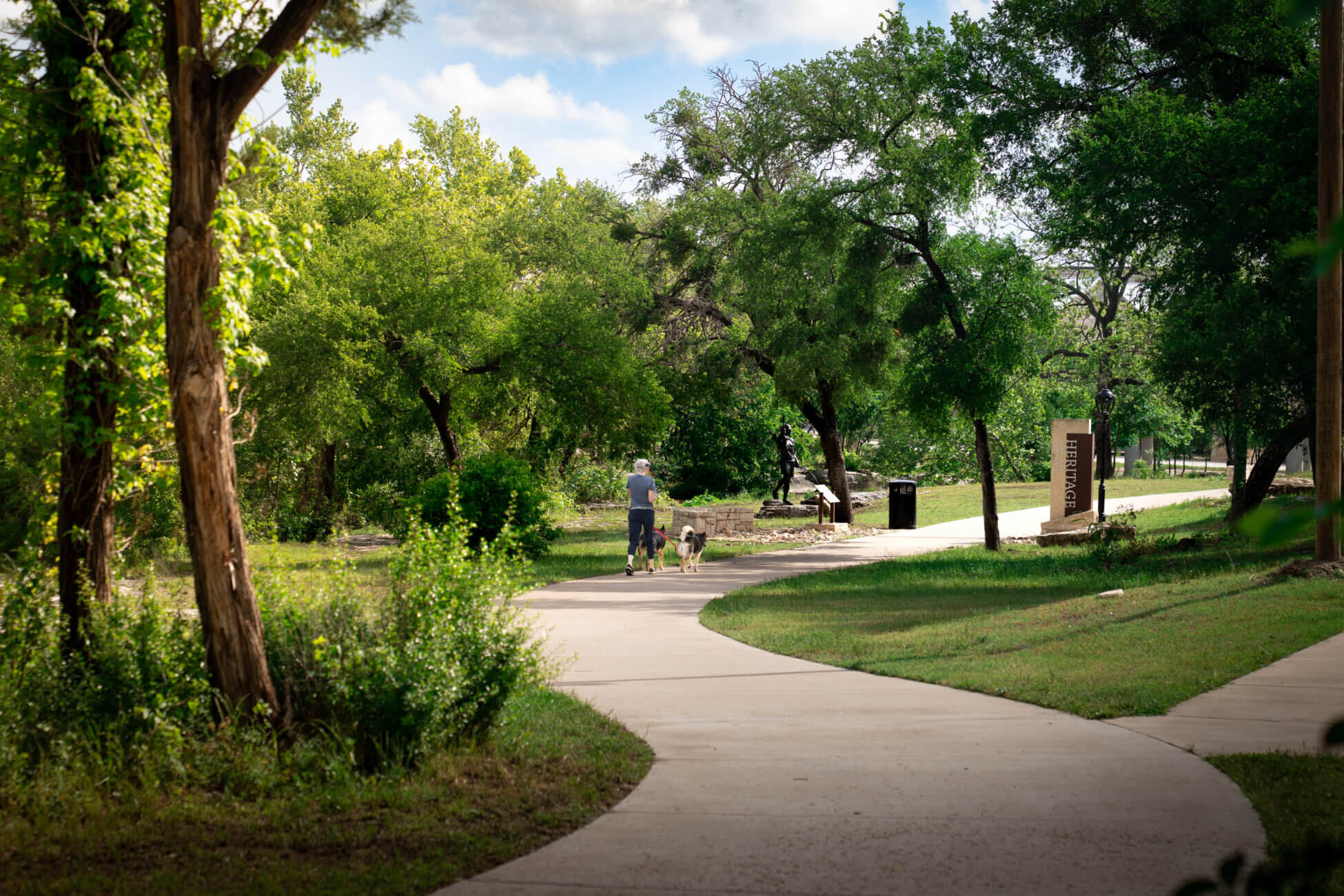
Public parks are often viewed merely as recreational outlets for families- places for picnics and running and spending time together. However these parks exist for more than entertainment, rather they serve a much larger purpose as important parts of our suburban landscapes. Maintaining their cleanliness isn’t just about aesthetics, it’s also about building our climate’s resilience.
Trees and grasses act as carbon sinks. Through photosynthesis they capture Carbon Dioxide and convert it to Oxygen. Beyond air quality, they also release water vapor naturally cooling down the environment. Something necessary in urban and suburban environments where concrete and asphalt paths absorb solar radiation. As the frequency of violent weather increases with rising global temperatures, parks serve as natural sponges. Clean, permeable ground allows rainwater to soak into aquifers rather than flooding street gutters preventing flash flooding in communities.
While large scale conservation efforts are necessary, it’s often smaller, daily efforts that make the biggest impacts. Beyond being an eyesore, litter is rarely biodegradable and often introduces toxins into the soil. Small fragments of plastic, from bottle caps to synthetic clothing fibers, eventually break into micro plastics. Plastics nearly impossible to remove once they enter the ecosystem. Even organic waste shouldn’t be left behind as it can disrupt the natural diets of the local fauna and introduce seeds that may outcomepete the flora. Furthermore, no matter how fun it may seem, deviating from marked trails destroys the delicate crust of soil that stabilizes the earth. Healthy, uncompacted soil is essential for water filtration and preventing the sediment runoff that clogs local waterways.
Keeping our parks and trails clean is a small act we can all do to ensure they remain healthy and clean for us to not only enjoy but also to play an important part in the ecosystem we love to call home!