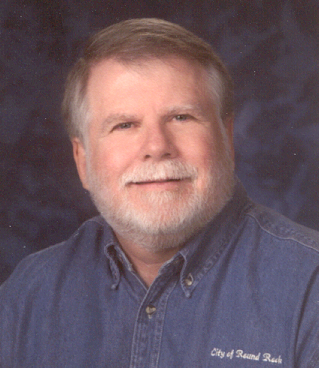
Long-time City Manager Bob Bennett, who guided the City of Round Rock through transformative growth between 1979 and 2003, passed away at his Round Rock home the evening of Thursday, Feb. 26, 2026.
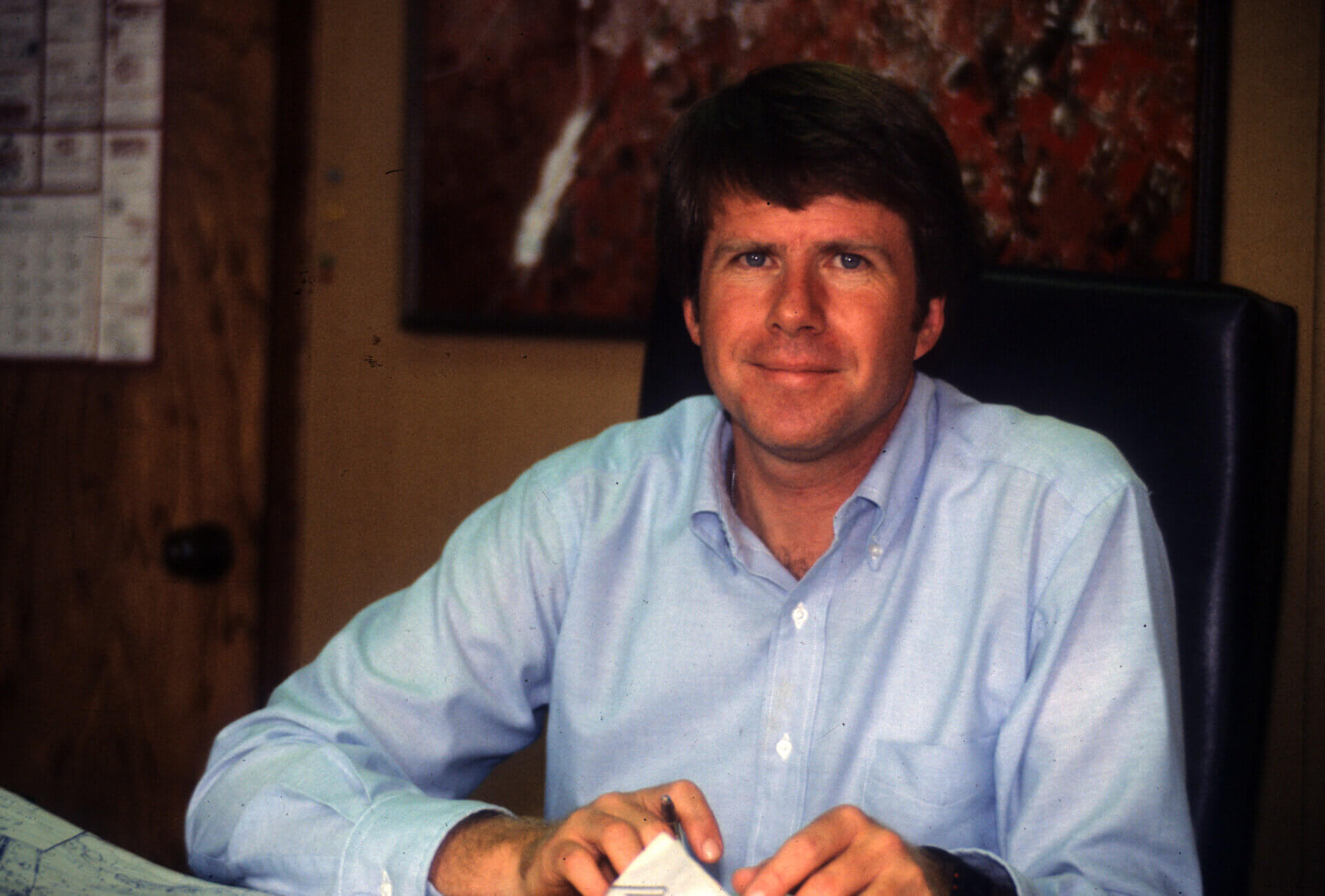
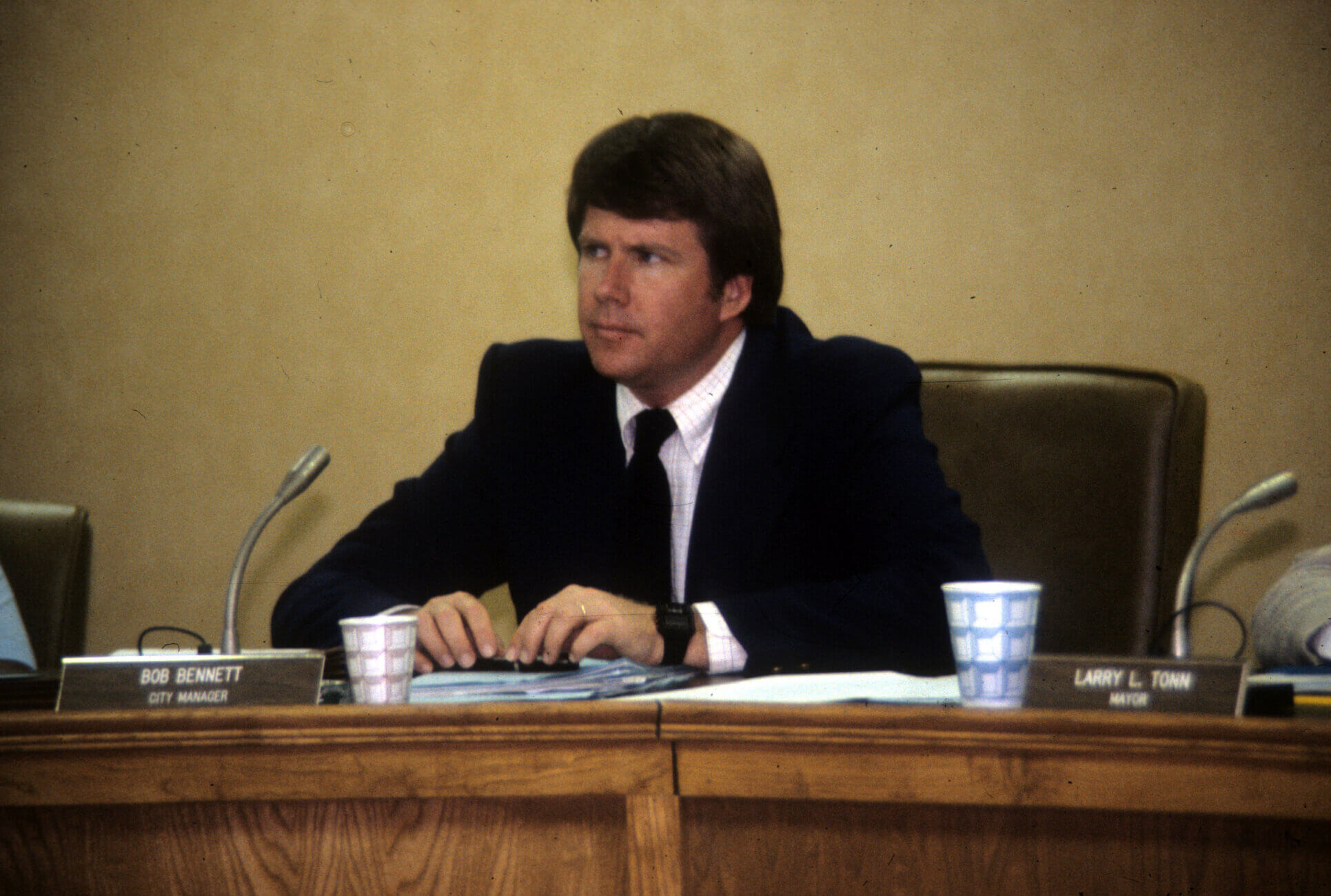
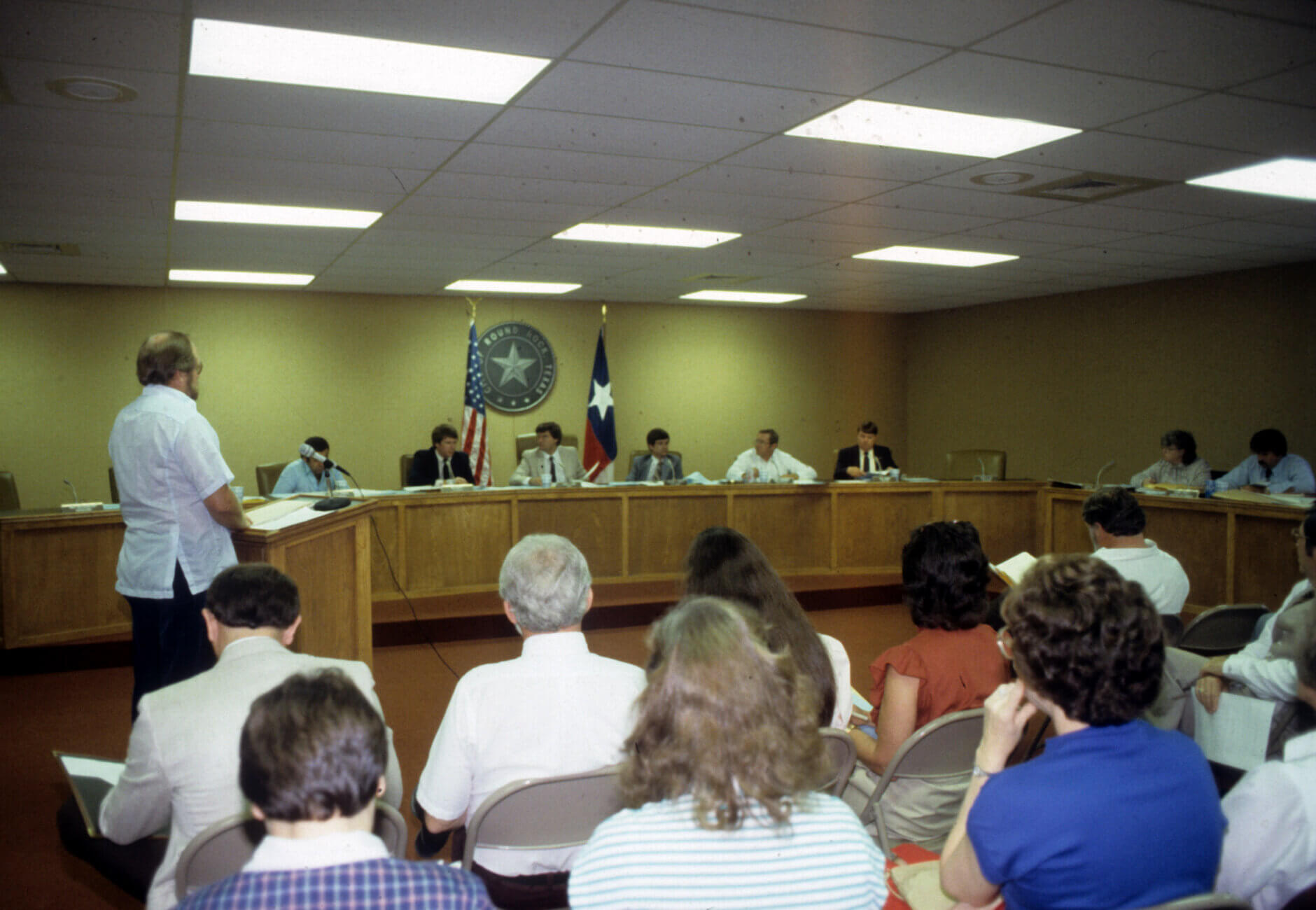
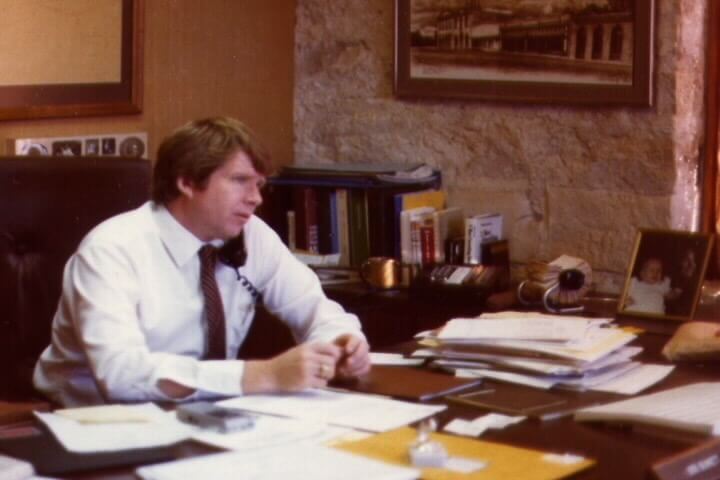
Bennett’s tenure was for an extraordinary length of time rarely seen in the city management profession; he served under seven different mayors and their respective city councils. Those who knew him longest often trace his story in Round Rock back to the late 1970s, when the city was still a small, sleepy town of roughly 4,500 to 5,000 people. The city limits were modest then, stretching north to Bowman Road, south to Gattis School Road, east to Georgetown Street and Sunrise Road, and west to Deep Wood Drive. Round Rock’s water system consisted of one groundwater well in the Edwards Aquifer with the historic downtown water tower used for storage. The wastewater system was a small, 1-million-gallon-per-day, 40-year-old wastewater treatment plant built in the 1930s through a New Deal-era federal works program. The transportation system consisted of one traffic light in town at Mays and Main Streets, no frontage roads on I-35 and a one-lane bridge over Brushy Creek on Georgetown Street where drivers had to wait and yield to oncoming traffic. Gattis School, McNeil, Sunrise and Sam Bass Roads were worn-out county roads with (at most) a lane and a half of pavement, where meeting another car meant getting onto the shoulder to pass.
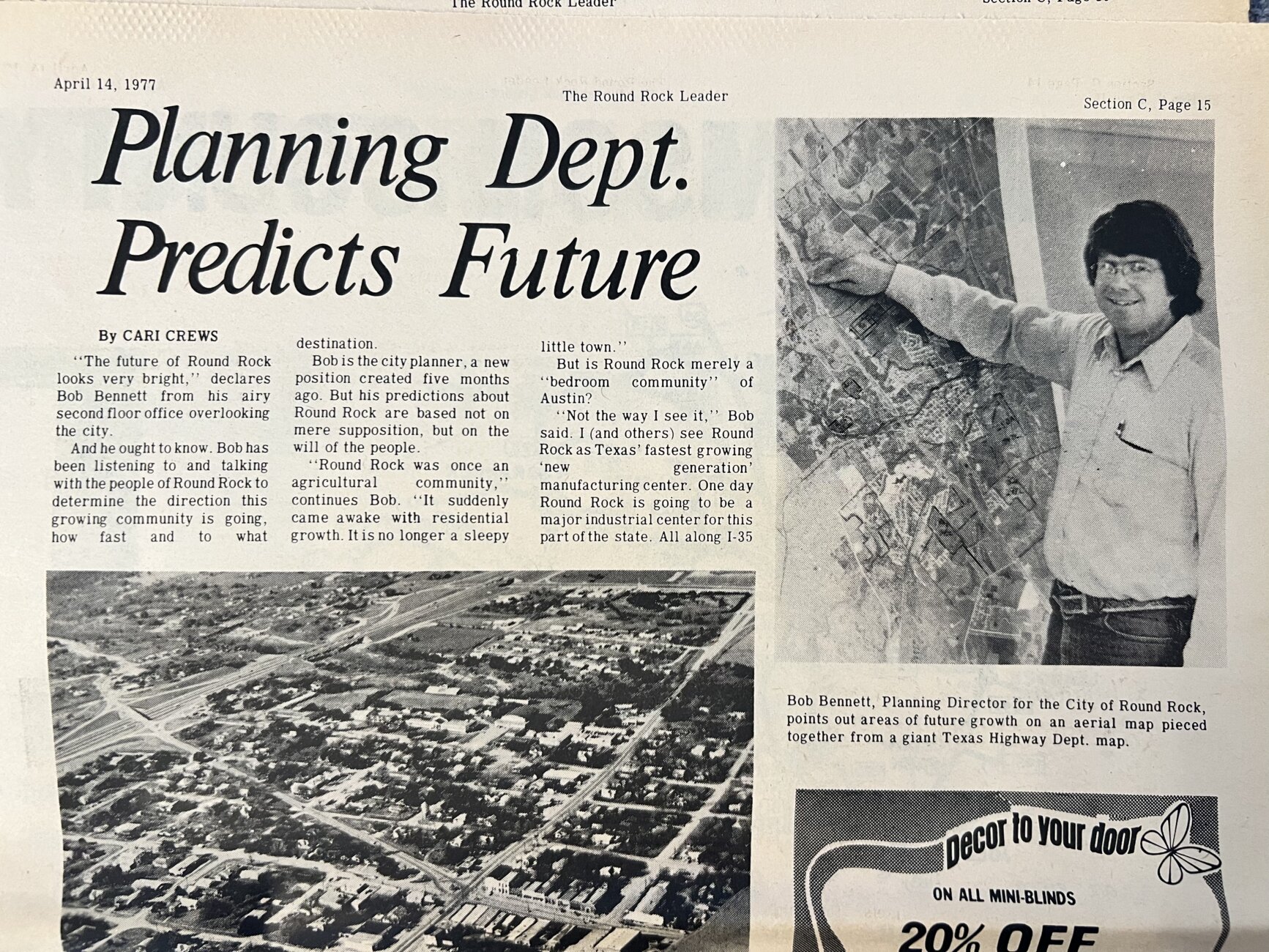
It was in that Round Rock that Bob Bennett became the city’s first Director of Planning and Zoning. At a lunchtime Kiwanis Club meeting in 1976, he stood before a room of about 50 community members—most in their 50s and 60s, most having lived their entire lives in Round Rock—and delivered a talk on “Round Rock in 25 years.” He told them that someday Round Rock would have 100,000 people, and that the future city limits would stretch from Cedar Park to Hutto and from Georgetown to Austin. Attendees remembered that statement was followed by snickers, heads shaking and eyes rolling.
But he pressed on.
He talked about how the City would need to expand its water system, its wastewater system and its transportation system. He emphasized that the most critical thing needed for growth was adequate water. Then he unrolled a transportation master plan with lines drawn across dairy farms, cotton patches and corn fields, mapping miles of future roads and highways. Some of that land belonged to the very men sitting in the room.
A year later, in October 1977, Bennett’s work and instincts, under the leadership of then-City Manager Jim Hislop, were already extending beyond what Round Rock could yet see. That month, he invited the City’s newly named city attorney to climb into his VW bus to look at land he wanted leadership to purchase for a new wastewater treatment plant. At the time, the eastern city limits were located at Sunrise Road. Bennett drove halfway to Hutto, to the confluence of Chandler Creek and Brushy Creek near the intersection of Highway 79 and Red Bud. He said the location was perfect for a regional wastewater plant that would one day serve the entire upstream drainage basin of Brushy Creek. It sounded impossible to some. Yet he talked City Council into buying it—an act that would become foundational years later.
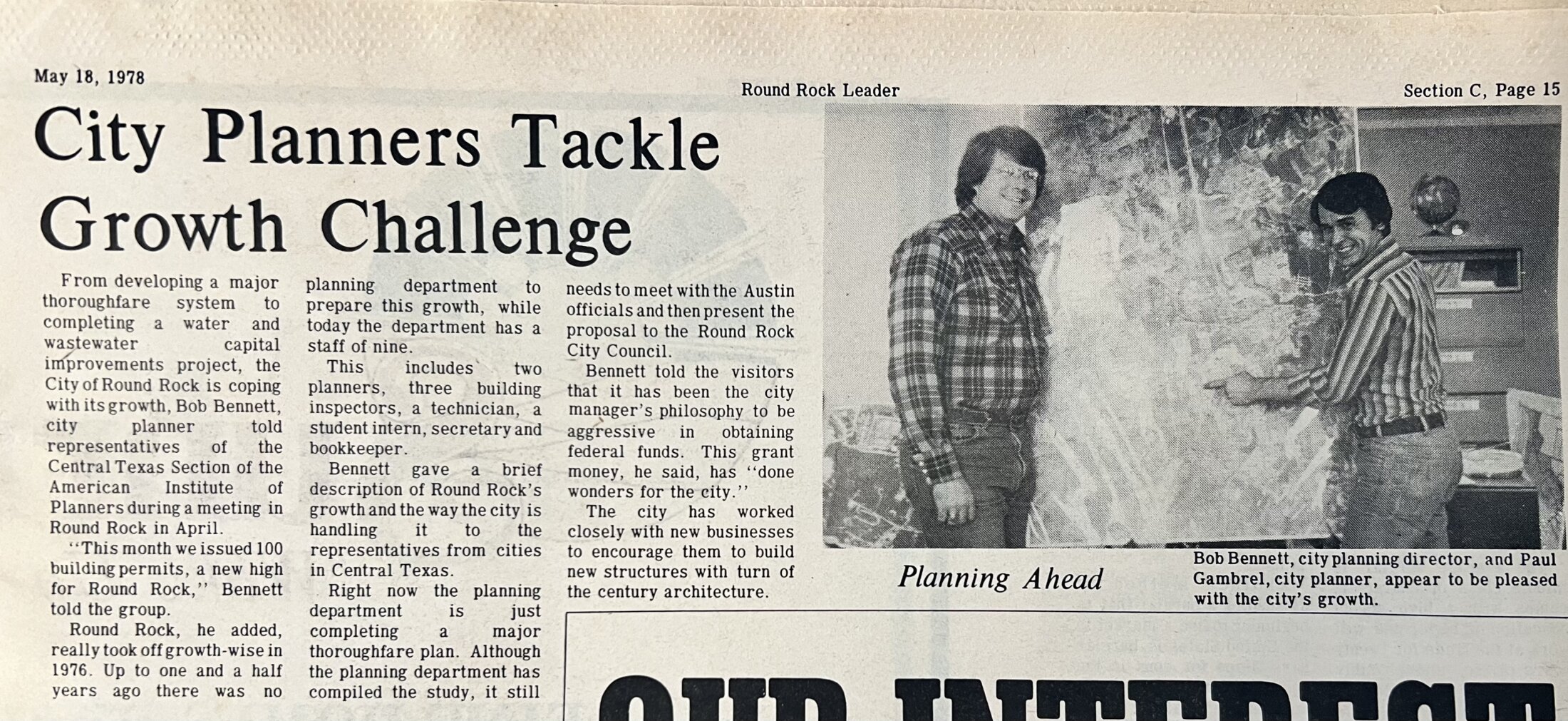
In 1978, when Round Rock’s population had reached roughly 12,000, Round Rock’s water well literally went dry. One hot, dry August morning, a faucet sputtered and a small stream of milky white water dribbled out. City Council declared a moratorium on building permits, and the mayor ultimately resigned. Shortly thereafter, Bennett was promoted to City Manager—and his impact on Round Rock’s water history became unmistakable as he immediately went to work solving the city’s water problem.
He contacted the Brazos River Authority and began working on contracts to purchase water from Lake Georgetown. He proposed the city’s first bond issue in years to construct a water line to Lake Georgetown and a water treatment plant. Under his leadership, Round Rock developed what was described at the time as the first drought water conservation ordinance in Texas—drafted when no other city’s ordinance could be found to copy. He was adamant that Round Rock needed to protect the Edwards Aquifer recharge zone from surface pollution, and he pushed the city to petition the Texas Water Commission to extend protective rules to the northern portion of the recharge zone.
Those drought years revealed another threat upstream in Brushy Creek. As the creek dried up, the only remaining water was effluent from upstream treatment plants in Cedar Park and Brushy Creek MUD, and the nutrients fueled algae mats that covered the lakes near the City’s namesake rock and Veterans Park. When the algae died, the odor caused the public to avoid the creek and lakes. Then came at least a dozen new upstream wastewater plant permit applications from Cedar Park, Brushy Creek MUD, Davis Springs MUD, North Austin MUD, and others. Under Bennett’s leadership, Round Rock opposed them all and, because the city had secured an alternative regional wastewater plant location, leaders were able to persuade the Texas Water Commission to deny the permits. Without that alternative, some believed there would be 10 to 12 plants upstream today discharging into Brushy Creek.
Bennett’s early transportation lines that were once drawn across farms and fields also became part of daily life. The “lines” on that old master plan now have names: A.W. Grimes Boulevard, Kenney Fort Boulevard, Old Settlers Boulevard, RM 1431, Dell Way, Chisholm Trail Road, Wyoming Springs Drive, Forest Creek Drive and Louis Henna Boulevard. Under his leadership, the City created the Round Rock Transportation Development Corporation, which has directed hundreds of millions of dollars in sales tax revenues toward road projects rather than relying primarily on property tax support.
Under Bennett’s leadership, the City constructed the City’s former library, City Hall, the Clay Madsen Recreation Center, the downtown parking garage, the McConico Building, the Baca Center, Old Settlers Park and several fire stations. Round Rock continued to advance from its small-town status with limited amenities to a full-service community with the opening of its first hospital in 1983.
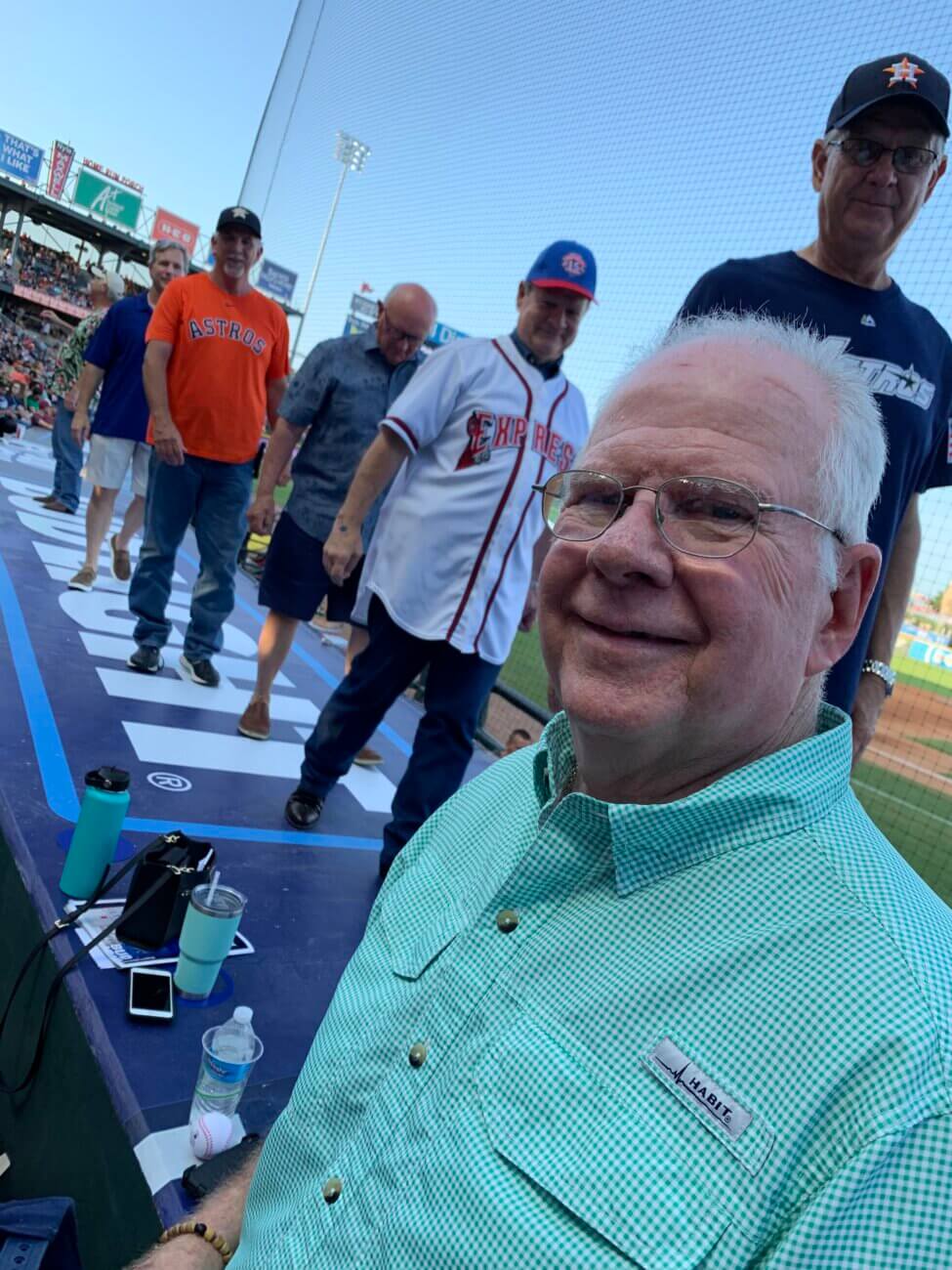
Two of the biggest developments during Bennett’s tenure shared a common name and helped change Round Rock’s trajectory. After the City’s landmark economic development agreement with Dell Technologies in 1993, Dell moved its world headquarters to Round Rock in 1994, accelerating Round Rock’s emergence as a major employment center and putting the city in a national business spotlight. A few years later, Dell Diamond opened in 2000 as the home of the Round Rock Express, giving the community a regional gathering place and the beginnings of a sports tourism program that reinforced Round Rock’s identity far beyond Central Texas.
In time, former and recent mayors and council members would say the same thing in different ways: Bennett had “his fingerprints all over the city.” They pointed to major facilities and community anchors that took shape during his years of service. They credited him with helping position Round Rock for transformative opportunities. They spoke about a management style that kept strong staff, challenged them and made them stronger.
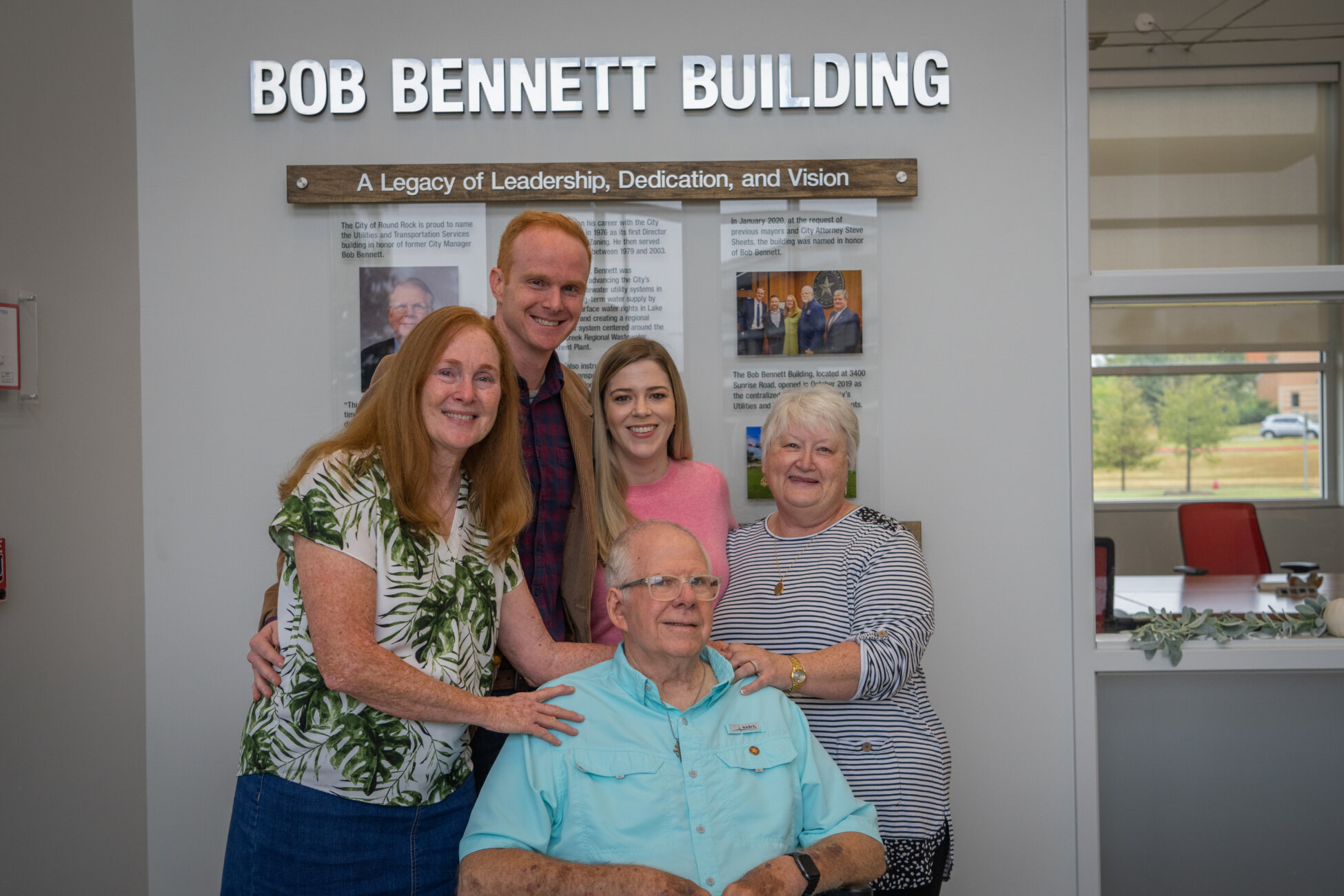
After his retirement, Bennett often insisted the story was bigger than him. During ceremonies to honor him as a Round Rock Local Legend and to dedicate the City’s Public Works Department facility in his name, he thanked the mayors he served and the city councils he worked with, and he praised the hundreds of city employees he worked with. He often marveled at the community and business leaders who made the community what it is today.
“This town is so special, and so many times we were told by people…that we didn’t have what it took, and we proved them wrong,” Bennett said in 2020.
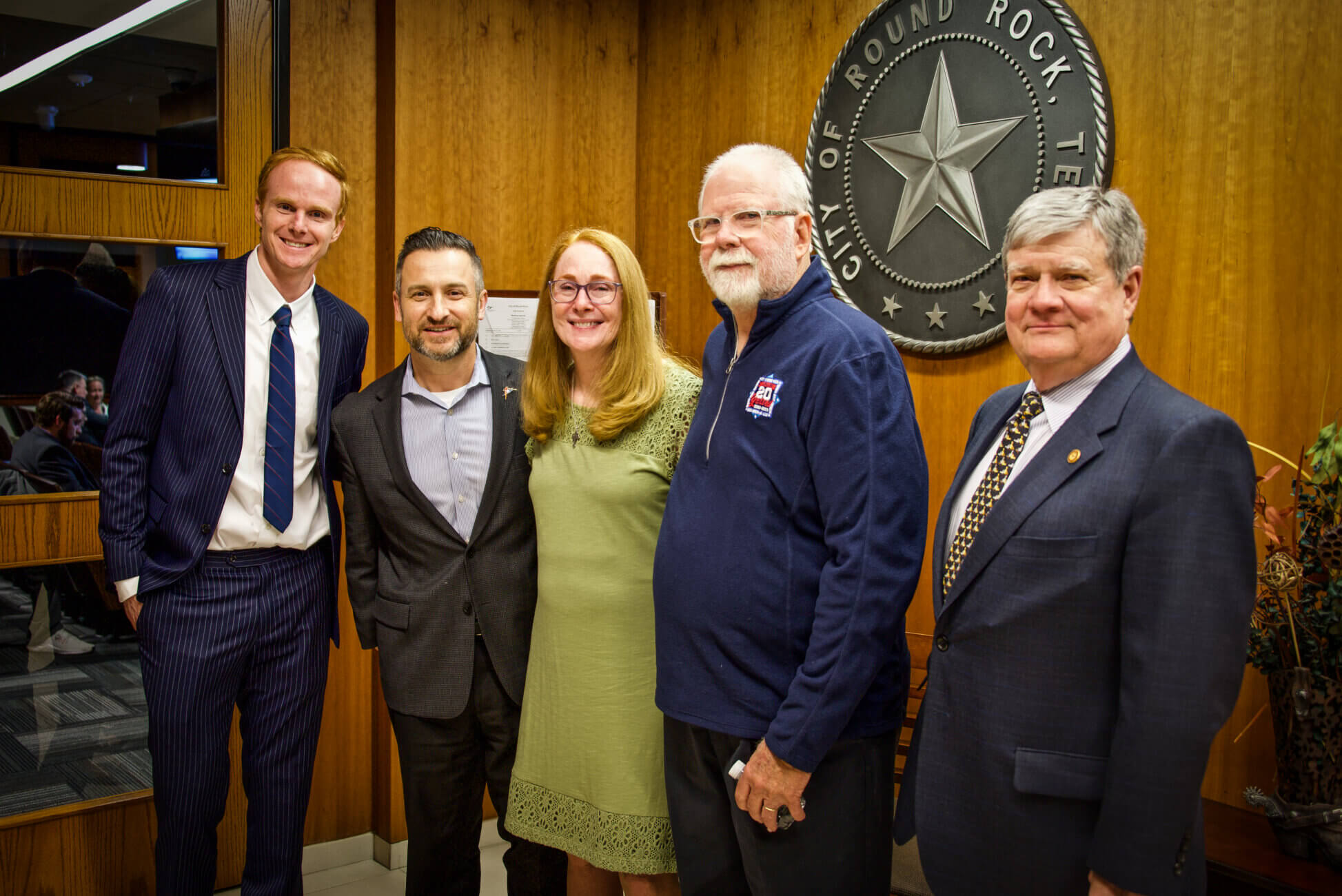
Brooks Bennett, Bob Bennett’s son, now carries forward his father’s commitment to public service as a 20-year City of Round Rock employee who has served as City Manager since 2024. The late Bennett characterized his son in a 2022 interview as having “a heart for service” and the desire to “make this place the best it can possibly be.”