

We already know that springtime or really, the end of winter, is a great time to clean out landscaping beds and cut away dead branches and plants to prep for the new spring growth. In addition to cleaning gutters and planting beds, checking out your irrigation system is another great maintenance tip to get the yard ready for spring.
To get started, follow these simple steps: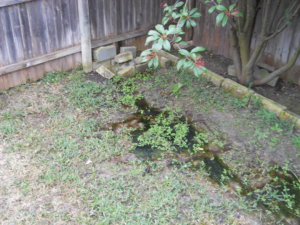
- Inspect Irrigation
- Check your system for clogged, broken, missing, or sprinkler heads that have been covered over by grass. Better yet, go with a pro—find a TCEQ licensed irrigation professional to do the work for you.
- If water is pooling in your landscape or you have large soggy areas, you could have a leak in your system. A leak as small as the tip of a ballpoint pen (1/32 of an inch) can waste about 6,300 gallons of water per month.
- Are you watering the driveway, house, or sidewalk instead of your yard? Redirect sprinklers to apply water only to the landscape.
- If there are areas with no landscaping, but ARE getting irrigated, consider capping those heads to save the water. There’s no point in watering what doesn’t need the water (i.e. narrow side yards, around trash cans and air conditioner units, dirt).
- Watch Your Water
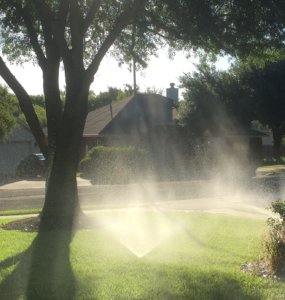
- Check water pressure. Low or high pressure can seriously affect sprinkler performance; choose sprinklers based on the water pressure on your site. High water pressure looks like mist, or fogging, coming out of the sprinkler heads. This can be reduced with pressure reducing heads, nozzles, or valves.
- View your water use online on the City customer portal, www.RRTXwater.com Here you can see daily and hourly water use and can monitor your use for unexpected spikes and usage.
- Select Smart
- An improperly scheduled irrigation controller can waste a lot of water and money. Update your system’s schedule with the seasons; when you do turn the system on (it’s still too early!), don’t water more than once per week.
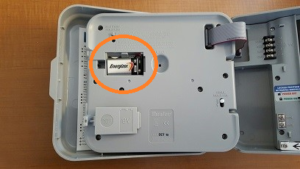
- Replace the battery in your controller (common with Hunter and Rainbird brand controllers). The 9-volt battery will help save the program in the event of an extended power outage.
- If you select a WaterSense labeled controller to take the guesswork out of scheduling. The city provides a rebate on them too.
- Other “smart” controls that can help adjust watering based on real, “live” conditions are soil moisture meters, rain and freeze sensors, weather stations, and water flow meters.
- An improperly scheduled irrigation controller can waste a lot of water and money. Update your system’s schedule with the seasons; when you do turn the system on (it’s still too early!), don’t water more than once per week.
- Mulch is Magic

-
- Mulch prevents weed growth, retains water, and insulates the soil and plant during cooler months, which all means less irrigation is needed.
- Use mulch wherever possible around trees, in shrub beds, even potted plants, mulching to a depth of 3-6″. However, you do not want to mulch to be mounded next to the trunk of the plant, often called “volcano mulching.” It should be more saucer shaped so water will not run off or away from the plant. A flat mat of mulch allows the water to sink in.
- Since mulch breaks down, it should be applied annually. The City of Round Rock provides free mulch to our water customers as our Brush Recycling Center.
Taking a little time now could help prevent unexpected yard problems as the year progresses. Learn more about maintaining a water-smart yard by visiting the U.S. Environmental Protection Agency’s WaterSense website at www.epa.gov/watersense/outdoors. Happy Spring!