
Here at the Water Spot Blog, we share tips on outdoor watering efficiency, preventing water leaks, and conserving water around the home. But water conservation doesn’t stop at the faucet! It’s just as important to think about what happens after water goes down the drain. Wastewater is the water that leaves your home through toilets, sinks, showers, and other drains. It travels through a sewer pipe connected to your home’s plumbing and enters the City’s sewer system; eventually ending up at the wastewater treatment plant for cleaning.
Let’s take a closer look at how you can help keep wastewater flowing and protect both your property and the City’s sewer system.
- Cease The Grease: Keep Fats, Oils, and Grease Out of Drains
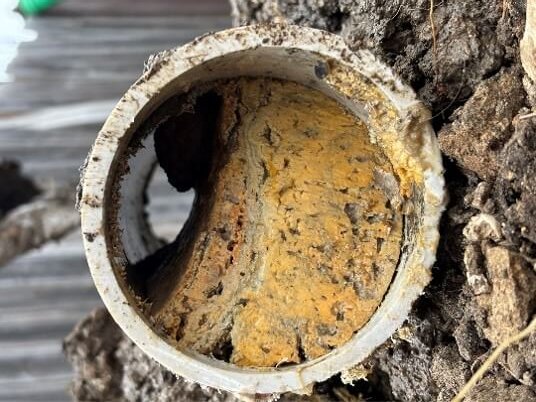
Never pour cooking oil, grease from cooked meats, or leftover food down the drain. As grease cools, it hardens and sticks to the inside of pipes, creating buildup that can eventually cause blockages and sewer backups.
Instead of down the drain, pour grease and fats into an empty can (like vegetable can) or empty glass jar. Let it cool and consolidate, then toss it into the trash can.
- Think Before Flushing
Only flush toilet paper and bodily waste. That means no wipes! Even if they are labeled “flushable” they are not. Unlike toilet paper, which is intentionally designed to break down quickly in water, these products are not. They can get caught in pipes, causing major blockages. Do not flush feminine hygiene products, medications, plastics, paper towels, and tissues.
- Keep it Covered: Secure Your Sewer Cleanout Caps
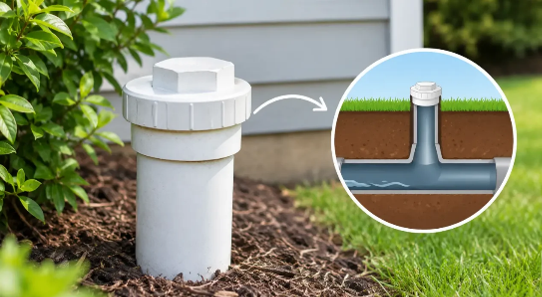
Have you wondered what that white pipe is in your yard? (See the picture to right.) That’s the sewer outlet connected to the wastewater line. This line collects all the wastewater from your property leads it away to the main city wastewater line.
Always keep sewer cleanout caps securely in place. Open or missing caps allow dirt, debris, and other unwanted materials or small animals to enter your sewer line, potentially causing blockages.
City Response to Sewer Backups
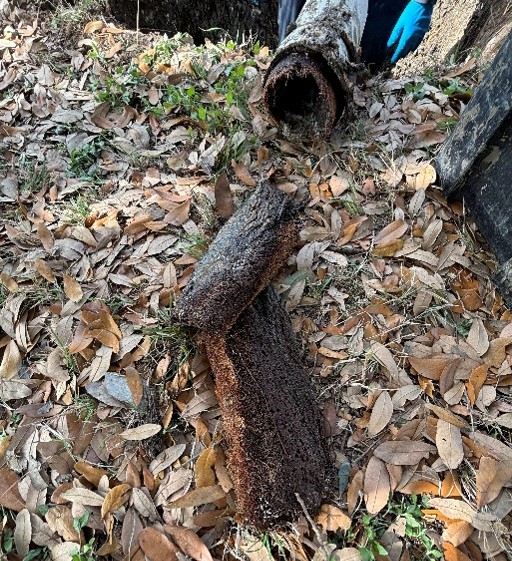
The city receives more than 300 calls each year regarding wastewater backups caused by grease buildup, tree roots, and other obstructions. Many of these blockages develop over time as grease and debris accumulate inside sewer pipes. Oftentimes, tree roots can enter sewer lines through small cracks or damaged joints. Ground movement and hard freezes can cause pipe damage, allowing roots to grow toward moisture inside the pipes and eventually cause blockages
When the City receives a sewer backup report, our crews investigate to determine whether the issue is the City’s responsibility or falls within the homeowner’s sewer line. Crews locate the City’s and homeowner’s sewer cleanouts to visually inspect where wastewater is backing up and help identify the source of the problem. If the blockage is within the City’s sewer system, crews use a high-pressure water jetting truck to clear the obstruction and restore flow.
After jetting, crews use a sewer camera to inspect the line between the residential cleanout and the City’s sewer easement. This helps identify the cause and location of the blockage. Once the investigation is complete, the resident is informed whether the issue is within the City’s sewer system or the homeowner’s sewer line. Depending on where the blockage is located, City crews may be able to resolve the issue. If the blockage is in the homeowner’s sewer line, between the home and the residential cleanout, the homeowner will need to contact a licensed plumber.
Help Keep Our Sewer System Flowing!
A little prevention goes a long way. You can learn more about preventing sewer back ups by visiting: https://www.roundrocktexas.gov/city-departments/utilities-and-environmental-services/wastewater/.
If you do experience a sewer blockage, contact us at 512-218-5555.