
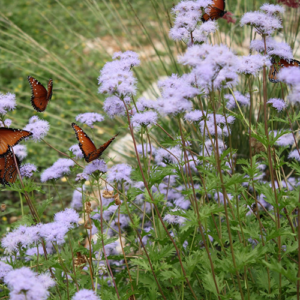
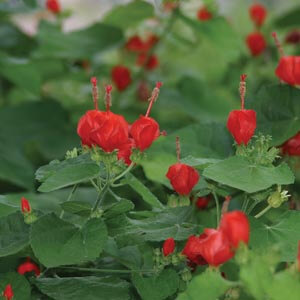
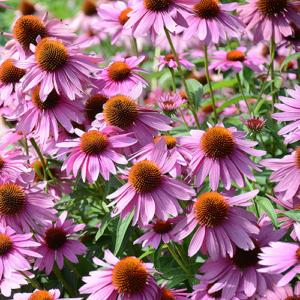
When thinking of adding new plants to your yard, think native. Natives are better acclimated to our weather conditions, soil conditions, and wildlife.
Below are some of the best resources for online plant databases for our area.
- Native Plant Society’s Williamson County chapter has a new county specific plant database: WilcoScape!!
- Aggie Horticulture provides a host of expertise on landscape plants, ornamentals, turfgrass, and gardens.
- Aggie Turf website has research on native turfgrasses.
- City of Austin’s Grow Green program includes a searchable database of native and adaptive plants, which includes pictures.
- The Williamson County Master Gardeners offer monthly “Green Thumbs Up” classes at local libraries and maintain a demonstration garden that visitors can explore for inspiration.
- Williamson County Native Plant Society holds monthly meetings that are open to the public, as well has a wealth of information on their website.
- The Lady Bird Johnson Wildflower Center has a fantastic searchable database.
- Native American Seed Company is a great resource for native grass seeds, as well as wildflower seeds.
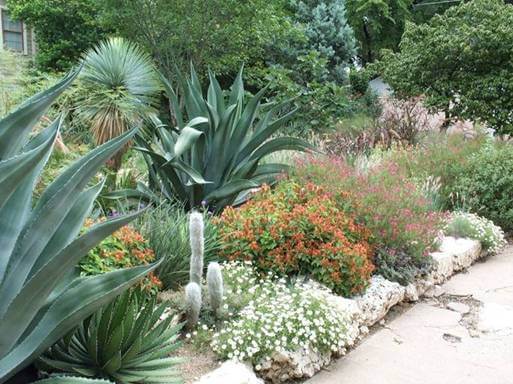
Invasive plants spread into areas where they are not native. Their introduction causes or is likely to cause economic or environmental harm or harm to human health.
If you have an invasive plant in your yard, it’s best to control it by removing seed heads, berries, or runners to prevent it’s spreading and reproduction.
Use these Texas specific plant databases to steer clear of unwanted plants:
- Austin’s Top Invasive Plants to Avoid (from the Grow Green Native and Adapted Landscape Plants database).
- Native Plant Society of Texas – Invasive Plant Database
- TexasInvasives.org lists invasive plants, animals, and insects. The database also provides ways for you to report invasives you find, as well as how to control them and a ton of other information!
Soil is really the backbone of your yard. It plays a huge role in survivability of your plants. Healthy soil full of beneficial fungi, bacteria, and organisms is the goal!
What type of soil do you have and how deep is it? These are two main things you need to know about your yard, before irrigating or planting. There’s no point in watering, if the water doesn’t stay on (or in) your yard.
Round Rock’s soil profiles are split by IH-35. To the west, we have very shallow, rocky, limestone filled clay soils. To the east we have deeper, clay or clay-loam soils, still some rocks, once you dig down.
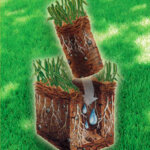
If the soil is too compacted to absorb water, aerate! Loosing the soil, thru core aeration, allows space for water, air, and plant roots to penetrate. This helps promote a healthy lawn. Rebates are available for this service.
Get a soil test (see section “Fertilizing Grass” below) to determine if you really need to add any fertilizers to the yard. Reducing chemical use outdoors helps protect water sources and beneficial insects.
- GardenVille–makes their own soil, mulch, and compost. Nearest location is Georgetown.
- Texas A&M AgriLife Extension provides research and expertise on soils, landscaping, and gardening among other topics.
Thinking of switching to a rock yard to reduce water use? Before you do, read this blog we wrote.
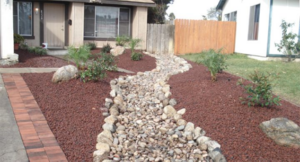
- Rocks generate heat. They absorb the sun’s radiation and hold onto it far into the night. Rocks can reach 140-170 degrees in summer!
- Rocks increase stormwater runoff. Rocks are impermeable, and in large areas, this means water flows off the rock into streets, potentially causing flooding, rather than soaking into the ground (where we want it).
- Rocks increase soil erosion. Since rocks don’t have roots, they will not hold down the soil during rainstorms. This increases erosion on your precious soils.
- They offer no nutritional value. Rocks aren’t the food source of any bird, plant, or insect. They also don’t provide any carbon, the gasoline of the soil ecosystem. Without carbon, those important soil fauna will suffer and die.
- Rocks are not maintenance free. Rocks may still need to be maintained, have weed growth, and need to be cleaned from debris.
If you still choose to install rock, use it in shady areas, and as accents, rather than the whole area.
Are you interested in removing some of the grass (turf) from your yard and converting it to native plant beds? Excellent idea!
There’s a few ways to remove (or kill) the grass as the first step. It could take some time to get rid of the grass, depending on the amount you’re removing and the methodology, so plan this project accordingly, aiming for the hot months of the year to help you.
- Manual removal: using a garden spade, a square-point shovel with a flat blade that allows you to cut a straight edge right through turf and allowing you to remove it without damaging surrounding grass or plants.
- Machine removal: Renting a sod cutter to precisely cut and lift the sod is a relatively easy process without any chemicals. This method also allows for a flare surface and takes away any extra digging or movement of the soil due to the accuracy of the machine. This may be good if you’re thinking about creating a walkway or extra-large garden bed.
- Chemical removal: A foliar application of Glyphosate kills turf by disrupting its metabolic processing of essential enzymes. However, it can take two weeks or more for the grass to die and there is a risk to nearby plants if it’s windy. Also, it shouldn’t be touched or watered for the first seven days after the chemical is applied.
- Solarization: This method uses clear plastic to cover growing grass for at least six weeks in summer sun, causing the grass to overheat. This method takes patience and vigilant monitoring of the plastic to ensure it doesn’t get torn or ripped.
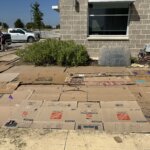
- Cardboard sheet mulching: our favorite choice, though it can take time.
- Trim down existing plant material to the ground with a string trimmer or mower.
- Lay out plain cardboard (remove all plastic stickers and tape). Overlap the edges to block out light and prevent weeds from slipping through.
- Secure the cardboard with staples every 5-10 feet or weigh it down with rocks or bricks.
- Cover with a few inches of mulch (coarse hardwood mulch, leaf litter, or a combination of both will work beautifully).
- Wait. Over the summer, the mulch with break down, adding nutrients to the soil below. The cardboard will suppress weed growth. By fall you’ll have a blank canvas to beautify!
BONUS: The City has a new rebate program to assist with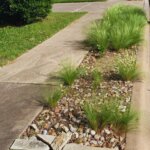 the costs of the yard conversion within a parkway strip area. Find details on the rebates page.
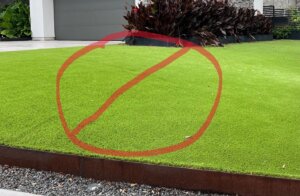
Are you interested in reducing your water use by removing your lawn and installing artificial turf? The city doesn’t recommend that — there are just too many benefits to having a living yard, versus a plastic one.
Artificial Turf Cons:
- It’s HOT! Because artificial turf is plastic, it doesn’t have the same cooling effect as live plant material. Temperatures can reach up to 80 degrees higher than ambient air temperature. Water may be needed to cool surfaces down before use.
- It increases the likelihood of flooding and runoff. Water runs off the property rather than soaking in due to the highly compacted soil under the artificial turf.
- Can increase soil erosion. Artificial turf doesn’t have roots to hold soil in place during rain events, so it may wash out from under the turf during heavy rains.
- May contain chemicals of concern, such as carcinogens, VOCs, and PFAS. Recycled tires are often used as the “infill” on turf installations.
- Can generate microplastic contamination when rain carries the rubber infill to nearby water bodies.
- Potential for pet waste buildup and odors on artificial turf. Regular washing or spraying with water is necessary.
- Does not increase plant, animal, and insect biodiversity as natural landscapes can.
- Relatively short lifespan of 8-10 years. Used artificial turf often goes to landfills due to low availability of recycling availability.
Artificial Turf Pros:
- Potential to reduce fertilizer and mower use, pesticide application, and related pollution.
- Can be a durable, low-maintenance surface for athletics and spaces with high foot traffic.
Do you water before a freeze is expected or not? 
Local plant experts say yes. Water perennials and new trees before freezes to help insulate the plant. The water fills up the soil and the soil temperatures will keep the plant roots warm.
The experts at Rooted In have a great article called Why you should water your landscape before a freeze (Yes, Really).
Watering is not needed for turfgrass, as it’s dormant in winter and it’s not the growing season.
Keep water low when watering in winter, meaning do not spray leaves, buds, or flowers (they don’t need the water anyway). Just water the root zones.
- Williamson County AgriLife Extension Office gave a great Winter Storm Recovery presentation on assessing trees, perennials, and the irrigation system after a freeze. Find the recorded webinar and other helpful information here.
- Howard Garrett (aka The Dirt Doctor) has a very good article called Responding to Freeze Damage that focus’s on trees and woody plants. Find that here.
- Don’t Cut Grass Too Short! With the lawnmower set higher, the longer grass can help shade the ground, hold moisture longer and help to fight off heat. Longer grass blades are also necessary in shadier spots, as a greater surface area allows for better photosynthesis, which means more energy and food for the plant!
- Don’t cut more than 1/3 of the leaf blade off at a time.
- Ideal heights for grasses are: St. Augustine grass 2.5-5″, Bermuda 1.5-4″, Zoysia (coarse-textured) 1.5-4″ and Buffalo 2″ to unmowed.
- Reuse Grass Clippings; Leaving the grass clippings on the ground can serve as mulch and fertilizer all-in-one. And it’s free!

- Use native hardwood mulch wherever possible around
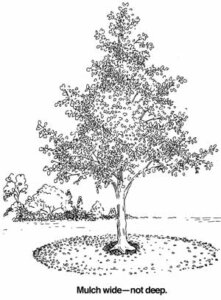 trees, shrubs, even potted plants, mulching to a depth of 3-4″.
 - Mulch prevents weed growth, retains water, and insulates the soil and plant during cooler months.
- You do not want to mulch to be mounded next to the trunk of the plant, often called “volcano mulching.” It should be more saucer shaped so water will not run off or away from the plant. A flat mat of mulch allows the water to sink in.
- Since mulch breaks down, it should be applied annually.
- See our video about proper use of mulch.
BONUS: City of Round Rock water customers can pick up free mulch at our Brush Recycling Center, 310 Deep Wood Drive. Be sure to take a copy of your water bill with you when you go!
- Overseeding with rye, or other cool season grass, is discouraged, due to the increased water use and the additional stress it places on the warm-season grass.
- These grasses tend to compete with your warm season grass for nutrients in the soil. This weakens the warm season grass (St. Augustine, bermuda, etc.) which may then require fertilizing and additional watering.
This is an area that you should stop and think, does my lawn really need chemical fertilizer?
We recommend before purchasing anything, have a soil test conducted, so that you know what nutrients your yard may be deficient, or low in. This way you can more precisely only add what is needed.
Soil tests are relatively low cost and provided by the county AgriLife Extension office. Find details on costs and testing at the Texas A&M AgriLife Extension soil testing lab.
Soil sample bags are provided free at the Williamson County Extension office, 100 Wilco Way, Suite AG201, Georgetown, TX 78626.
City of Austin’s Grow Green program offers sound advice on lawn fertilizers, toxicity ratings, and proper timing of application. See the LAWNCARE Fact Sheet.
Watering Techniques and Timing
• Slow and Deep: Apply water slowly to encourage deep roots (12-18 inches deep) not shallow ones.
• Best Times: Early morning (before 9:00 am) or late evening (after 8:00 pm) to minimize evaporation.
• Efficient methods: Use drip lines, soaker hoses, or a slow trickle from a hose; avoid sprinklers.
• Watering area: Water the entire root zone, extending out to the drip line (edge of the branches) and even beyond for evergreens.
How Much & How Often to Water
• Young Trees: (Under 3 years) Need more frequent deep watering (2-3 times/week) than mature trees, for the first 2-3 years.
• Mature Trees: May only need deep watering every 2-3 weeks in extreme drought.
• Test soil before watering: Use long screw driver; if it goes in easily, soil is moist; if not, it’s time to water.
Mulch
• Apply 2-3 inches of mulch, not touching the trunk, to retain soil moisture.
Read the City of Austin Grow Green’s Tree Care Factsheet for more information about caring for trees. Cuidado de los arboles aqui.
 Wonder why your plant leaves look burned, or yellow, or dying? Is it disease, or a cultural problem (like too much sunlight)?
The Williamson County Master Gardeners can help with plant diagnosis! Contact the help desk at 512-943-3300 or williamsonhelpdesk@gmail.com
City of Austin’s Grow Green program has an excellent DIAGNOSIS OF PLANT PROBLEMS fact sheet to help walk you through determining the cause of your plant’s problem.
In Spanish here: Diagnostico de problemas en las plantas.